Cinema Classics // Vol. 20th Century
The
Founding
Frames
Citizen Kane:
The Depth of Focus
Orson Welles’ 1941 debut remains a technical touchstone because it popularized deep focus—keeping the foreground and background sharp simultaneously. This changed how directors staged ensemble dialogue, moving away from simple cutting to complex, deep-space blocking.
The film's impact is not merely visual; it utilized the 'MacGuffin' as a structural necessity, a narrative engine that drove the plot forward while focusing the emotional weight on the psychological disintegration of Charles Foster Kane. Today, replaced by flat digital depths, the aggressive use of shadow and composition in Kane serves as a reminder of functional cinematography.
The Noir Ethos
Film Noir reflected post-war anxiety, using tilted 'Dutch' angles and low-key lighting to mirror moral ambiguity. These technical choices were rarely accidental; they were structural responses to a world in flux.
Talkies vs. Silence
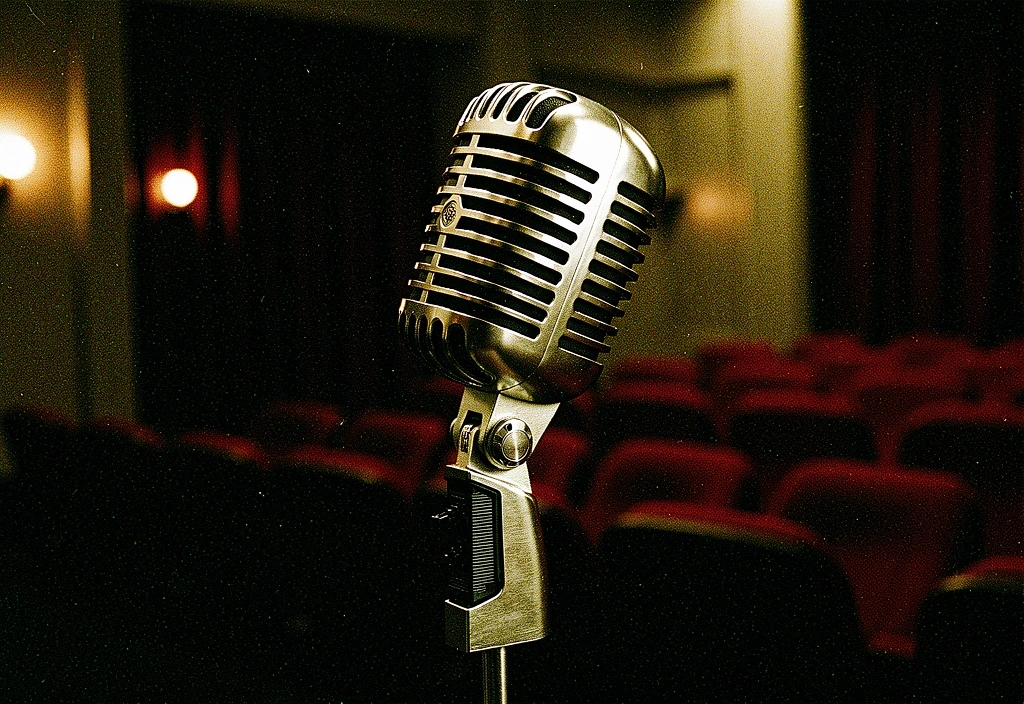
The 1927 transition fundamentally altered acting styles. It ended the era of exaggerated physical expression, forcing actors into a naturalism defined by voice and micro-expressions that we still use today.
Widescreen Wars
CinemaScope was a survival tactic. As television rose in the 1950s, studios forced a new widescreen visual language for epic storytelling, creating the 'spectacle' that defined Hollywood for decades.
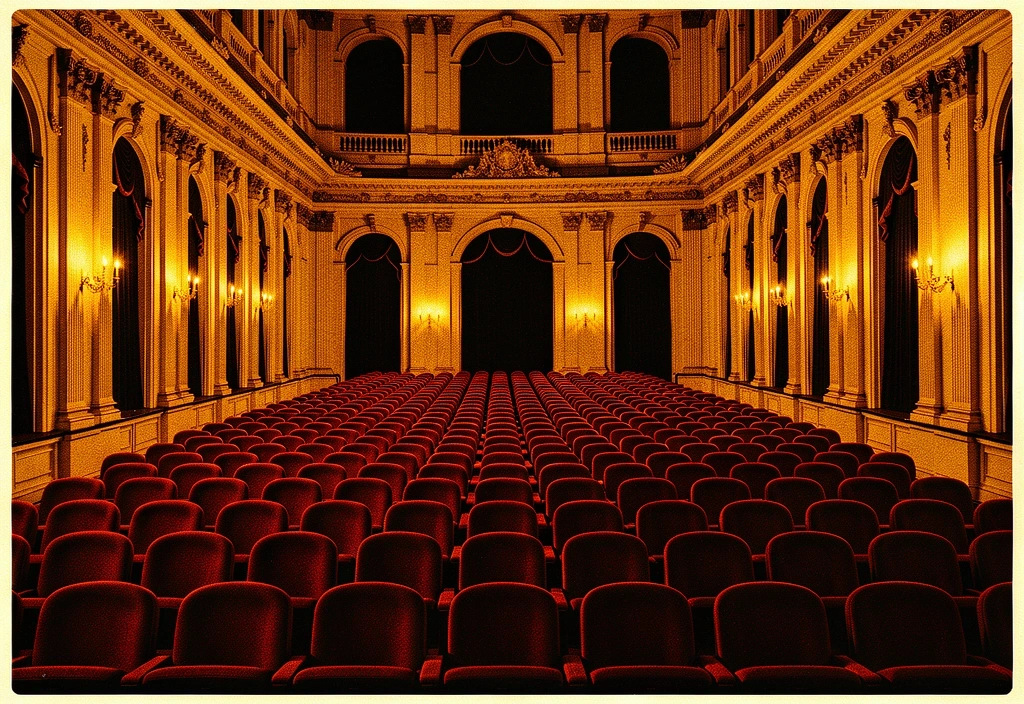
"A film’s status as a 'classic' hinges on its ability to transcend its original decade, speaking to human experiences that remain recognizable a century later."
The Landmark
Trajectory
German Expressionism
Jagged sets and distorted perspectives laid the groundwork for modern psychological horror and moody noir.
The Noir Shift
Post-war disillusionment found its visual home in low-key lighting and morally grey protagonists.
French New Wave
Jump cuts and breaking the fourth wall once confused audiences; now they are the basis of contemporary editing.
New Hollywood
A raw, gritty era where directors took control over studio mandates to explore radical realism.
Modern Re-Rating Engine
Compare 1940s critical consensus against modern technical standards. See how the "Greats" hold up under 21st-century scrutiny.
The Archive Dispatches
Never Miss
A Masterpiece
Get our weekly deep-dives into film history, archival restoration news, and modern critiques of the 20th century canon delivered to your inbox.