
Deep Dive Analysis // Theory & History
The
Architects
of Tension
The Silent Narrator:
Color Grading
Desaturated palettes in modern noir do not just indicate mood but signal a lack of moral clarity. We analyze how technical lighting rigs and digital grading shape the protagonist's journey.
Small Choices,
Global Impacts
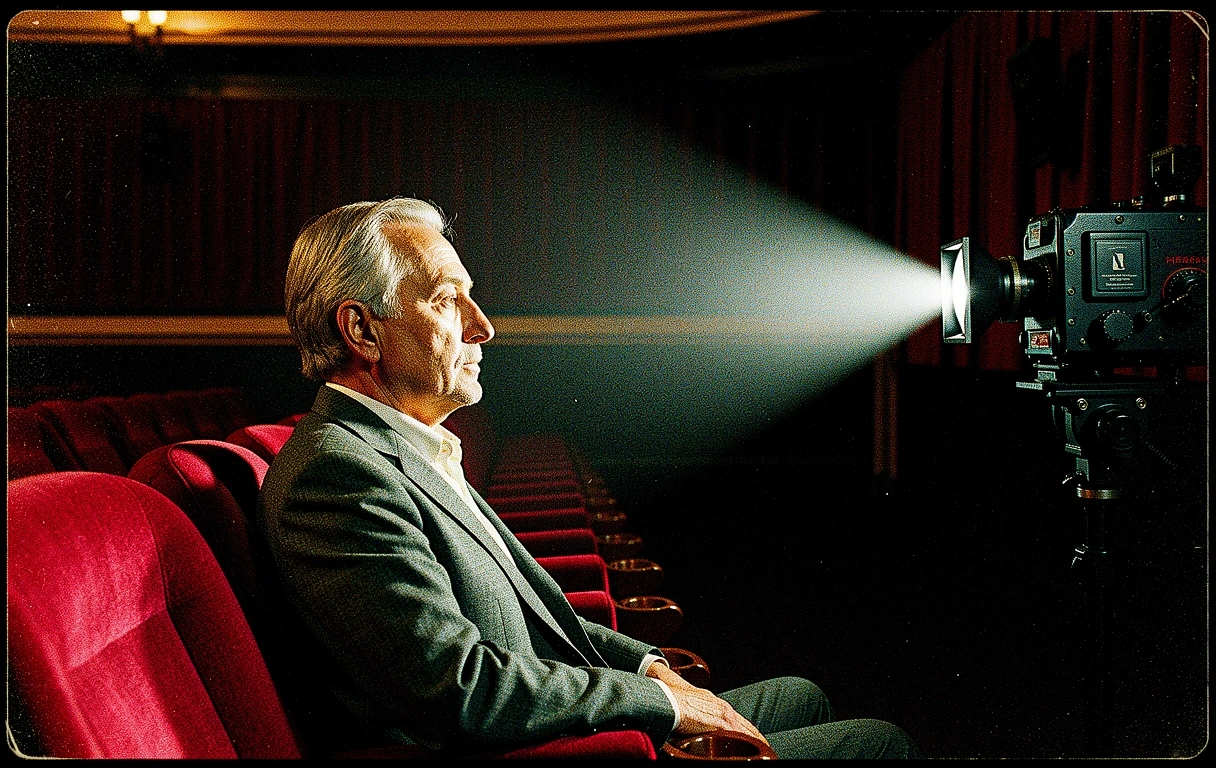
How a filmmaker consistently chooses to frame a character's exit from a room reveals more than a script ever could.
Explore ProfilePractical Depth vs.
Digital Void
Why 1980s lighting still feels more 'real' to the human eye. An investigation into 3D light-object interaction.
Read Full DossierAnatomy of a Frame
The Ozu
Composition
Technique: Static Frame
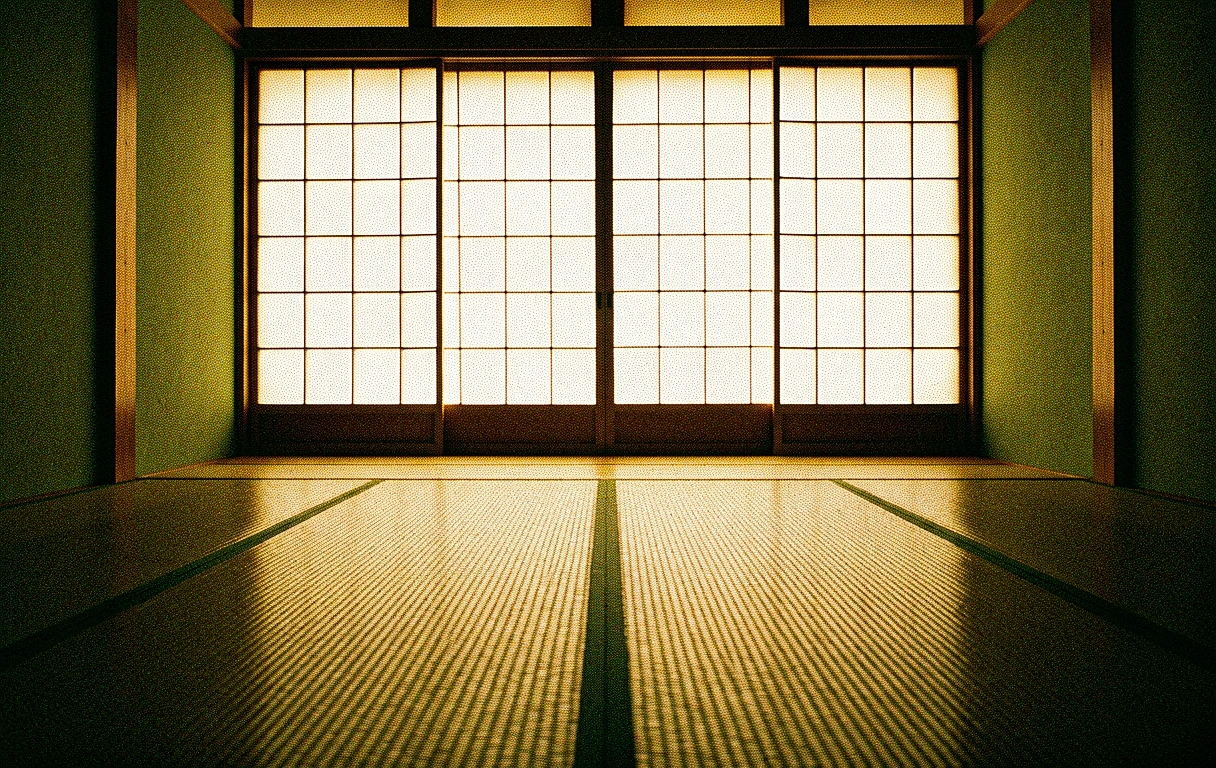
Yasujirō Ozu's rejection of the standard 'eyeline' height changed cinema's domestic perspective forever. By lowering the tripod to exactly three feet from the floor, he transformed the audience from spectators into participants seated alongside the characters.
Pillow Shot
Brief Cutaways to non-human elements to allow emotional space to breathe.
180 Rule
Deliberate breaking of visual continuity to disorient and refocus the gaze.
The Archive →
Slow Cinema:
The Art of Boredom
Using duration itself as a narrative tool to force reflection on the passage of time and the weight of silence.
Read EssayShadows in Noir:
A Technical Fix
The wet asphalt and heavy shadows of the 40s were born from lighting limitations as much as stylistic intent.
Read EssaySubsonic Horror:
Invisible Fear
How modern sound designers use ultra-low frequencies to trigger physical panic without the viewer identifying the source.
Read EssayKorean Slapstick
x Gore Genre
Why tonal whiplash identifies contemporary South Korean cinema as the most honest mirror of life's unpredictability.
Read Essay
Join the Inner
Circle
Exclusive critical theories and technical deep-dives delivered every Friday. No news, no ads—just pure cinema analysis.
Distributed Weekly / Zero Spoiler Commitment